

How to Choose a Small 2 Seater Fabric Sofa
A sofa is among the biggest purchases you make for your home, and so it should be able to meet all the criteria. Our testers found this sofa to do just that.
The shape is trendy, but will never be out of style, the fabric texture and depth are excellent, and it's a great value. The ease of assembly was an important plus.
small fabric 2 seater sofa
When it comes to furniture for your home that are worth the investment sofas are on the top of many homeowners' lists of priorities. These multi-purpose perches are often the central point of rooms, and as such they require a smart combination of form and function. There are a wide range of sofa styles that can be tailored to any interior design scheme, whether they're angular, curved or minimal.
There are a variety of sofas, 2 seater fabric sofas are particularly versatile because they're ideal for smaller living spaces. A great option for modern interiors, these small lounges can be customized with an array of colors and fabrics to fit any space, with neutral colours such as the warm Nakki 2-Seater Sofa from Fantastic Furniture. This modern take of classic sofa legs combines soft lines and plenty of padding to create a luxurious yet comfortable seating.
Tallulah Upholstered Sofa by Freedom will add a traditional touch to your home with its classic buttons and detailed legs. This small design also has a bit of flair, ensuring it won't feel too plain when paired with cushions and throws in vibrant colors such as red and blue.
There is no one-size fits all solution to selecting the ideal sofa for your home, however there are some general guidelines to follow to avoid getting caught up in the process. Begin by measuring your living space's length and width with a tape. Then apply masking paper or kraft to mark the area where you want the new sofa to be placed. You should leave at least two feet between your sofa and the coffee table, and, in the ideal case, a foot or two between the sofas and any other furniture.
If you're seeking a more flexible lounge think about a modular style like the Terrazza loveseat from the de Sede. Created in 1973 by UbaldKlug, this innovative modular sofa features rectangular units that can be stacked and stacked into a wide range of configurations. This modern modular sofa is still made today in a variety leather and fabric finishes.
Comfort
Sofas are the mainstay of any living area So it's essential to choose a style and fabric that is comfortable. Fabric must be soft and have a subtle pattern. If you have pets or children opt for lighter colors that are able to be able to withstand scrapes and spills. Fabrics are designed to be breathable, keeping you cool and comfortable.
After you've established the ideal size of your sofa, you can then consider other design elements that you'd like to integrate into your space. You may include decorative throws or scatter cushions to your new sofa. You can also hang art over the sofa to create a focal point in your living space.
You'll need to decide whether you would rather an ordinary sofa or a non-standard one. Standard sofas can be found in furniture stores, whereas non-standard sofas can be customized to fit your space. No matter what type of sofa you choose, it's always wise to measure your room prior to purchasing a sofa to avoid the disappointment of finding out that the sofa you choose is too large or small for your space.
There are a myriad of sofa styles and sizes to pick from There are certain kinds of sofas that have become iconic and have stood the test of time. For instance, Hans Hopfer's Lounge sofa, also referred to as the Mah Jong sofa due to its shape -- was created in 1971 and is still made by Roche Bobois. Mario Bellini's Camaleonda sofa, a polyurethane padded sofa that was popular during the 1970s is also a long-lasting favourite.
Other popular sofa designs that have gained popularity in the past decade include midcentury modern designs and deep-seated styles that provide maximum comfort. Meanwhile, velvet and boucle have become the go-to fabrics for luxury sofas.
Fabric
The fabric you choose will determine the overall appearance of your sofa. If you pick a neutral shade to complement your furniture, or a bold print to make a statement and add some personality an impact it will affect the overall appearance. Choose a durable material that can withstand the rigors of daily cleaning and use, particularly if your lounge will be located in a bustling family room where snacking often occurs. Leather and faux leather lounges are popular choices for this purpose since they can be cleaned down easily, whereas velvet and Boucle fabrics are luxurious choices that add a touch of luxury to formal lounge spaces.
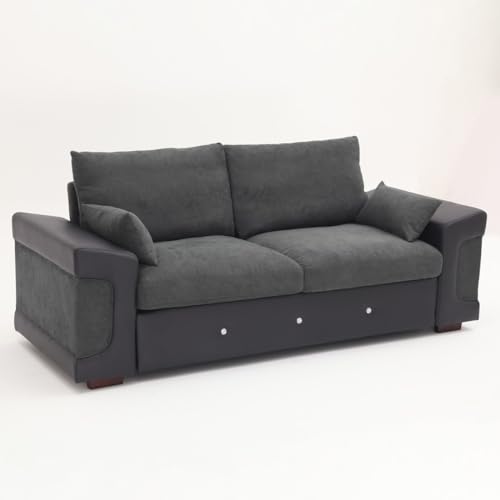
When it comes to upholstery fabrics textiles, breathable fabrics are most comfortable for long periods of sitting, while thicker fabrics such as cotton and linen provide added support. Be aware of the amount of sun your sofa will receive since it may fade lighter hues as time passes. We suggest a dark-colored fabric, like the deep grey of the Moss 2 seater sofa or the chic and sophisticated Luciano 1.5 seater sofa, which comes with two recliners that are electric.
It isn't easy to pick the proper size and style of sofas that you can love for your space, especially when there are many choices. To ensure you get the perfect size, it's essential to measure your room before shopping. This will ensure that you don't get a sofa that is too large or too small for your space, which can be difficult to move around and may not be comfortable to sit on.
Once you've got your measurements, it's time to start looking at the various upholstery options available. Some popular styles include midcentury-modern silhouettes as well as rounded corners and curved arms. There are many alternatives. If you have a lot of art in your living room, for example, you might choose an undulating style like the Serpentine sofa that was designed by Vladimir Kagan in the 1950s. The sofa was positioned on wheels to create an undulating shape that was as eye-catching as it was practical and it has been the inspiration behind some of the more asymmetrical, twisting designs that are in fashion today.
Care
Sofas are more than just an item of furniture to sit on. They're an investment, and a bit of care can extend their lifespan. You can shield your sofa from premature deterioration regardless of whether it's leather or fabric. Regular cleaning and protection can aid in preventing common problems such as stains, fading and cracking.
To keep your sofa looking fresh you should vacuum and clean it every week to get rid of dirt and stop dust and crumbs from getting stuck in the fabric. A dry brush made of natural bristles is also helpful for removing staining that is difficult to remove and bringing the dust to the surface.
If you have a spillage or stain on your sofa it is important to wipe the area immediately and not rub it as this can spread the stain and cause more damage. A diluted solution of water and soap may be able to disperse the stain and wash the fabric, but you must spot test your cleaning solutions in a dark area to ensure they won't cause a discoloration to your sofa.
You can prolong the life of your sofa by securing it with the proper furniture cover. You can also consider arm covers (you can have them made to order) to shield heavy-duty areas from sweat and spills that can lead to staining over time. Consider using a fabric like Scotchgard to block UV rays that can fade your light-coloured suit over time.
It is also important to rotate and flip your cushion regularly to ensure that they're worn evenly. Cushions can get distorted when they are placed on the floor for long periods of time. If your sofa has wood feet, wipe them with a damp rag to keep them fresh and free of dirt and dust. Apply a wood conditioner on the wood to shield it from sunlight and moisture. Even with the best home cleaning, your sofa might require a professional deep-clean from time to time to get rid of stains that are stubborn and revitalize the leather or fabric.